
PRODUCTS...
PRODUCTS
/ CBD (Cannabidiol) / Canabinoids
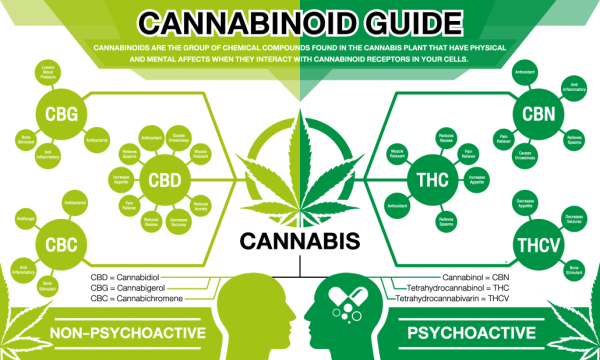
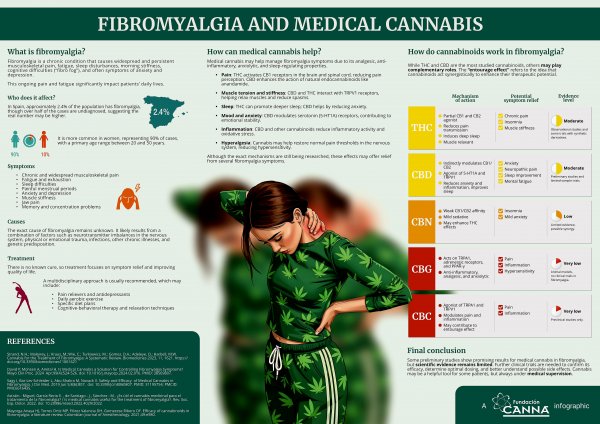
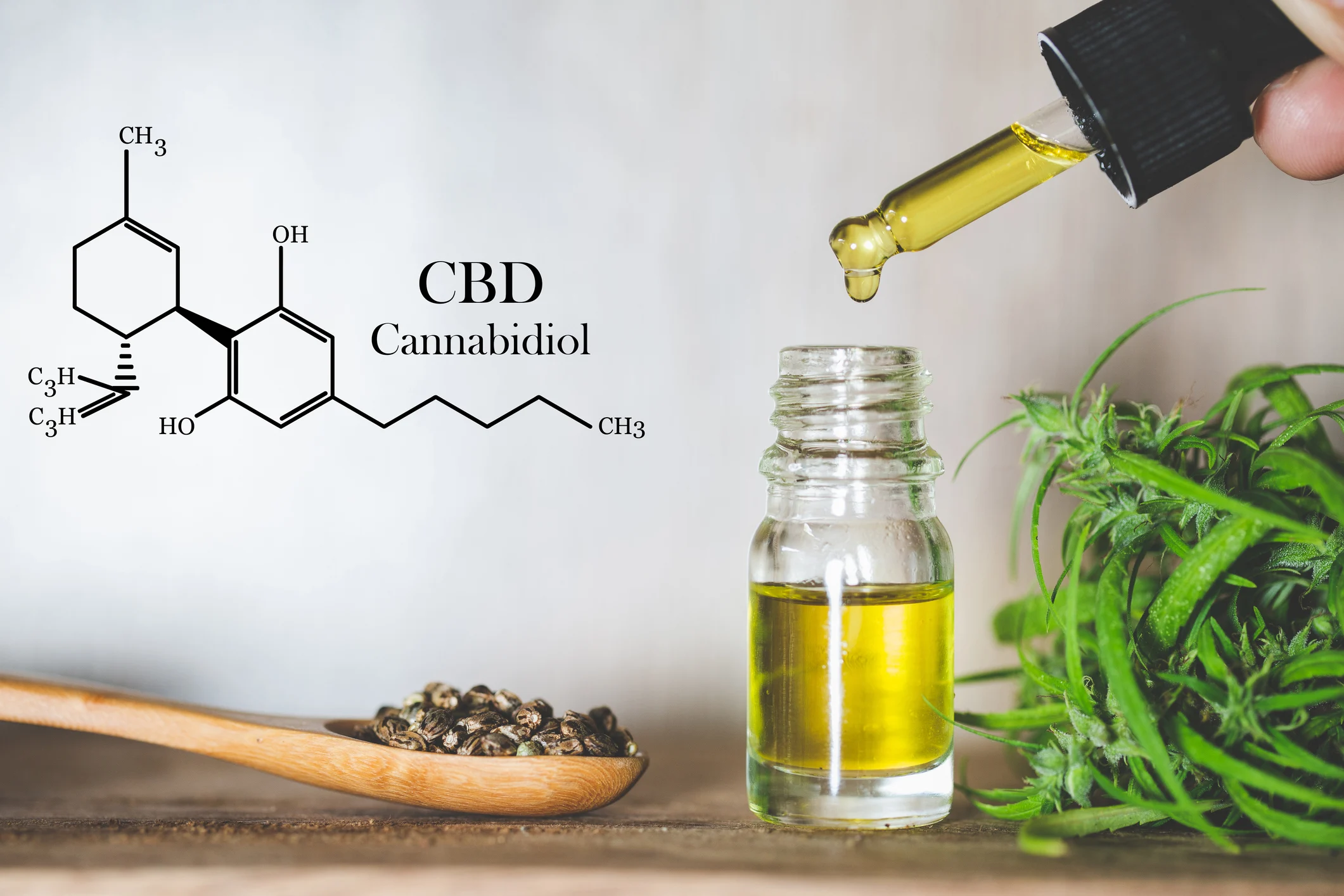
CANNABINOIDS:
Cannabis sativa was already considered a medicinal plant in the ancient past - for example, in ancient China it was used to treat rheumatism, nervousness, and even malaria and was also used as an anesthetic during the first operations, in Egypt it was used to fight inflammation and it was also known in India, where it has its place in Ayurveda . In the middle of the 19th century, hemp was also used in Europe as part of various medicines, for example as an analgesic. However, thanks to its psychotropic effects, cannabis began to be abused more and more, and at the beginning of the 20th century it was classified as an illegal medicinal product and almost disappeared from medicine. But the healing effects of cannabinoids are starting to be talked about again.
More than 100 types of cannabinoids are known, among the most famous are THC, CBD, CBG, CBN, CBC....
Cannabinoids ( cannabis ) occur in hemp plants and in all higher forms of life. The system of their use by living organisms is called the cannabinoid / endocannabinoid system. This system has existed for more than 600 million years and evolved in ancient times before the advent of dinosaurs. The cannabinoid system has a key influence on a whole range of vital functions, including reproduction and also food intake.
Recent scientific work indicates that cannabinoid receptors are found in the central nervous system and many peripheral tissues, including the immune, reproductive and digestive systems, in the sympathetic ganglia, hormonal glands, arteries, lungs and heart, in the eye and bones, the digestive system and skin. This list is expected to expand in the coming years, opening the way for the team to research the therapeutic effects of cannabinoids in other diseases.
The human body produces substances called endocannabinoids , which bind to cannabinoid receptors and act on the body through them. These receptors are found in various organs, in the skin and especially in the brain, outside the areas responsible for respiratory and cardiovascular functions. Therefore , there is no risk of respiratory and cardiovascular disorders, which are a common side effect of other medicines, with cannabinoid- based medicines . (research by Doc. RNDr. Lumir Ondrej Hanus , DrSc. From 1992)
References:
https://www.canada.ca/en/health-canada/services/drugs-medication/cannabis/about.html
https://www.nhs.uk/conditions/medical-cannabis/
https://www.sciencedirect.com/topics/neuroscience/hash-oil
https://www.healthline.com/health/best-cbd-oil
https://cannabistraininguniversity.com/cannabis-101/how-much-does-cannabis-oil-cost/
https://keyar.org.tr/bilgiyedogru/?gad_source=1&gad_campaignid=22756064368
https://phcogrev.com/sites/default/files/PharmacognRev-19-37-119.pdf
https://bulletin.mfd.org.mk/volumes/Volume%2068_4/68_4_052.pdf